


Morocco – General Information for Travelers
Location of Morocco
Morocco is a country found in North Africa, in the far northwest of the continent. Its location makes it very special because it is very close to Europe, with only the Strait of Gibraltar separating the two continents. This short distance has helped Morocco stay connected with Europe for trade, culture, and travel for a very long time. Morocco has the Atlantic Ocean along its western side, which gives it long beaches and fishing towns, and the Mediterranean Sea in the north, which connects it to southern Europe. On land, Morocco shares borders with Algeria to the east and southeast, and with Western Sahara to the south. Because of this mix of sea and land connections, Morocco has always been an important crossing point for travelers, traders, and cultures moving between Africa, Europe, and the Middle East.

Geography of Morocco
The geography of Morocco is one of the main reasons why so many travelers are interested in the country. Morocco has many different landscapes, and each region feels very different from the other. In the center of the country, the Atlas Mountains stretch from the southwest to the northeast. These mountains divide the country into different climate zones and are home to small villages, deep valleys, rivers, and high peaks. Some mountain areas receive snow in winter, which surprises many visitors who do not expect snow in Africa.
In the south and southeast, the land slowly changes into desert, leading to the Sahara. This area is known for its wide open spaces, golden sand dunes, and calm atmosphere. Life in the desert is slower, and people there have adapted to the hard environment over many generations. On the other side, the Atlantic coast offers long beaches, cliffs, and ports, where fishing has been a way of life for centuries. The Mediterranean coast in the north is smaller but very beautiful, with green hills and clear water. All these landscapes exist in one country, often just a few hours apart.
Climate and Weather
Morocco has a varied climate, and this is important for travelers to understand. The weather changes a lot depending on where you are and what time of year you visit. Coastal cities usually enjoy mild temperatures, with fresh air coming from the ocean. Summers are warm but not extreme, and winters are soft and comfortable. In the mountains, the climate is very different. Winters can be cold, especially in high areas where snow falls, while summers stay cooler than the cities.
In the desert regions, the weather is more extreme. Days can be very hot, especially in summer, but nights often become cool or even cold. This contrast is part of desert life and shapes how people live there. Spring and autumn are often the best times to visit Morocco because temperatures are pleasant across most regions, making travel easier and more enjoyable.
Short History of Morocco
Morocco has a long history that goes back thousands of years. The Amazigh people were the first known inhabitants of the land, and their culture is still alive today in language, music, and traditions. Over time, many civilizations came to Morocco because of its location. The Phoenicians used the coast for trade, followed by the Romans, who built cities and roads that can still be seen in ruins today.
In the 7th century, Islam arrived in Morocco and became a major part of life, shaping laws, education, architecture, and daily habits. Powerful dynasties ruled the country and made Morocco a center of learning and trade. Cities like Fes and Marrakech became important cultural and religious centers. In the 20th century, Morocco was under French and Spanish control before gaining independence in 1956. Today, the country mixes modern life with deep respect for its past.
Culture and Traditions
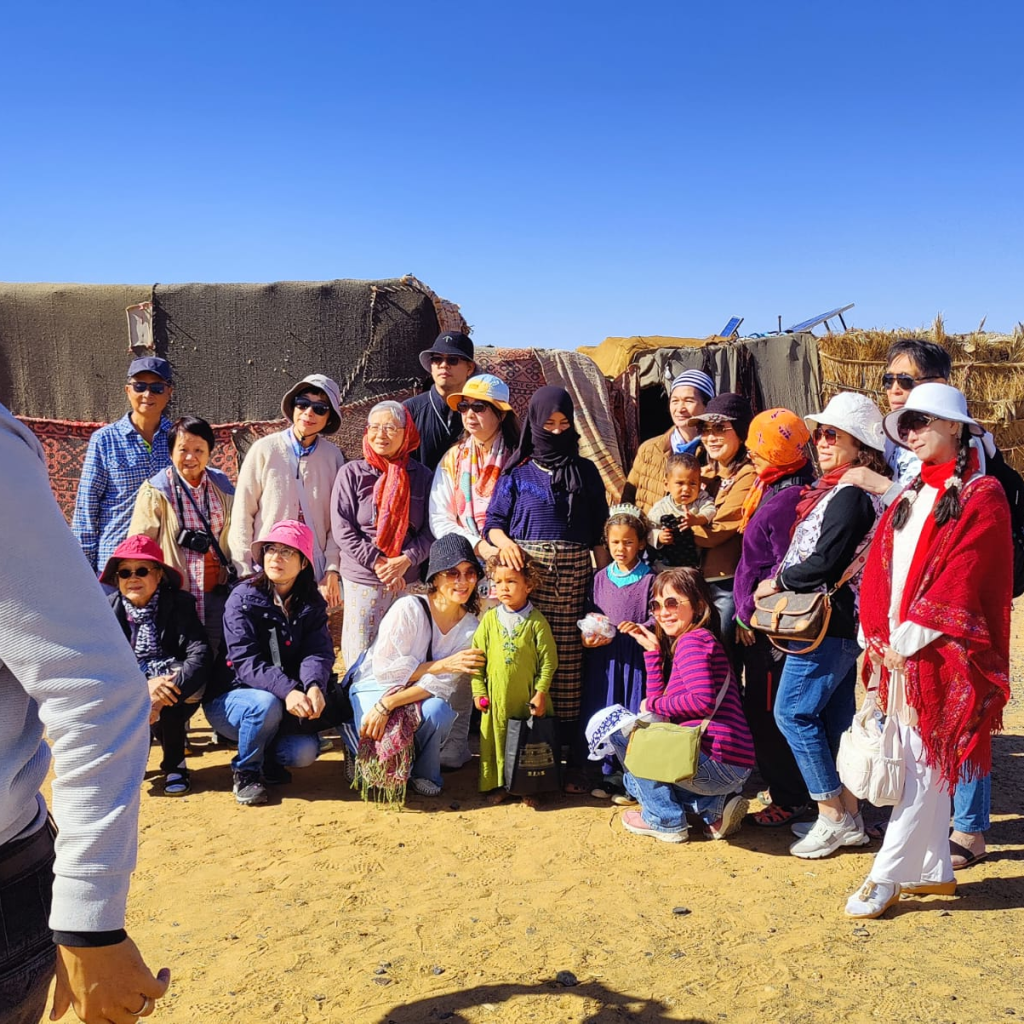
Moroccan culture is rich and deeply rooted in history. It is shaped by Amazigh, Arab, African, and European influences, which can be seen in daily life, music, food, and celebrations. Family plays a central role, and respect for elders is very important. Traditions are passed from generation to generation, especially in rural areas.
Hospitality is one of the strongest values in Moroccan society. Guests are treated with kindness, and sharing food and tea is a common way to welcome visitors. Festivals, weddings, and religious celebrations bring communities together and show the strong social bonds that exist in Moroccan life.
Languages Spoken in Morocco
Morocco is a country where many languages are spoken, which reflects its long and mixed history. Arabic and Amazigh are the official languages, and many people speak one or both at home. French is widely used in schools, offices, and business, especially in cities. In the north, Spanish is common because of historical ties, and English is becoming more popular, especially among young people and those working in tourism.
For travelers, this language diversity makes communication easier, especially in popular travel areas, where people are used to visitors from all over the world.
Moroccan Food and Drinks

Food is an important part of Moroccan culture and daily life. Meals are often shared, and eating together is a social moment. Moroccan dishes are known for slow cooking, rich flavors, and the use of spices like cumin, ginger, and saffron. Tagine is one of the most famous dishes, cooked slowly in a clay pot, while couscous is traditionally eaten on special days.
Bread is served with almost every meal and is used to pick up food. Mint tea is the national drink and is offered to guests in homes, shops, and even offices. Drinking tea is not just about the drink, but about taking time, talking, and connecting with others.
Markets and Local Life
Markets, known as souks, are a big part of Moroccan life and culture. They are places where people buy daily food, clothes, tools, and handmade items. Souks are full of colors, sounds, and smells, and walking through them is an experience that shows real local life.
In old city centers, called medinas, life is very active. Narrow streets lead to small shops, homes, mosques, and cafes. These areas have stayed almost the same for hundreds of years, and they give travelers a chance to feel the rhythm of traditional Moroccan cities.
Tourism in Morocco
Tourism in Morocco is one of the most important activities in the country and plays a strong role in the economy and cultural exchange. Every year, millions of travelers visit Morocco to learn about its history, explore old cities, experience local life, and enjoy nature in different regions. Tourism in Morocco is not limited to one type of travel, as the country offers cultural tourism, desert tourism, mountain tourism, coastal tourism, and city tourism. This variety makes Morocco suitable for many travelers, including families, solo visitors, and small groups who want real experiences.
Many travelers prefer to plan their trips using local travel websites that provide clear information, guided experiences, and support before and during the visit. Travel platforms and tour agency websites help visitors understand destinations, choose activities, and learn about Moroccan culture in a simple way. In this section of the blog, website owners can naturally include links to their own Morocco travel websites, tour services, or travel guides as trusted sources for readers who want more detailed information or help with planning their visit.
this some Popular Tour in Morocco:
- 3 Days in Morocco : Tours, Ideas, and Travel Tips
- 3 Days from Errachidia to Merzouga Desert Tours
- 4 days tour from marrakech to fes
- 3 Days in Marrakech: A Simple and Fun Plan for Your Trip
- 4 days tour from marrakech to merzouga
- 3 Days from Fes to Merzouga Desert via Erfoud
- 3 days tour from fes to merzouga
- 3 Days Tour from Fes to Merzouga Desert – 2 Nights in Desert
Tourism also supports local communities by creating jobs for guides, drivers, artisans, and small businesses. Many visitors choose responsible tourism options that respect local traditions and the environment. Through well-organized travel websites, visitors can find cultural experiences, desert activities, city tours, and nature visits that are managed by local people. This makes tourism in Morocco not only about visiting places, but also about building connections and understanding the country in a deeper and more meaningful way.
Famous Cities in Morocco
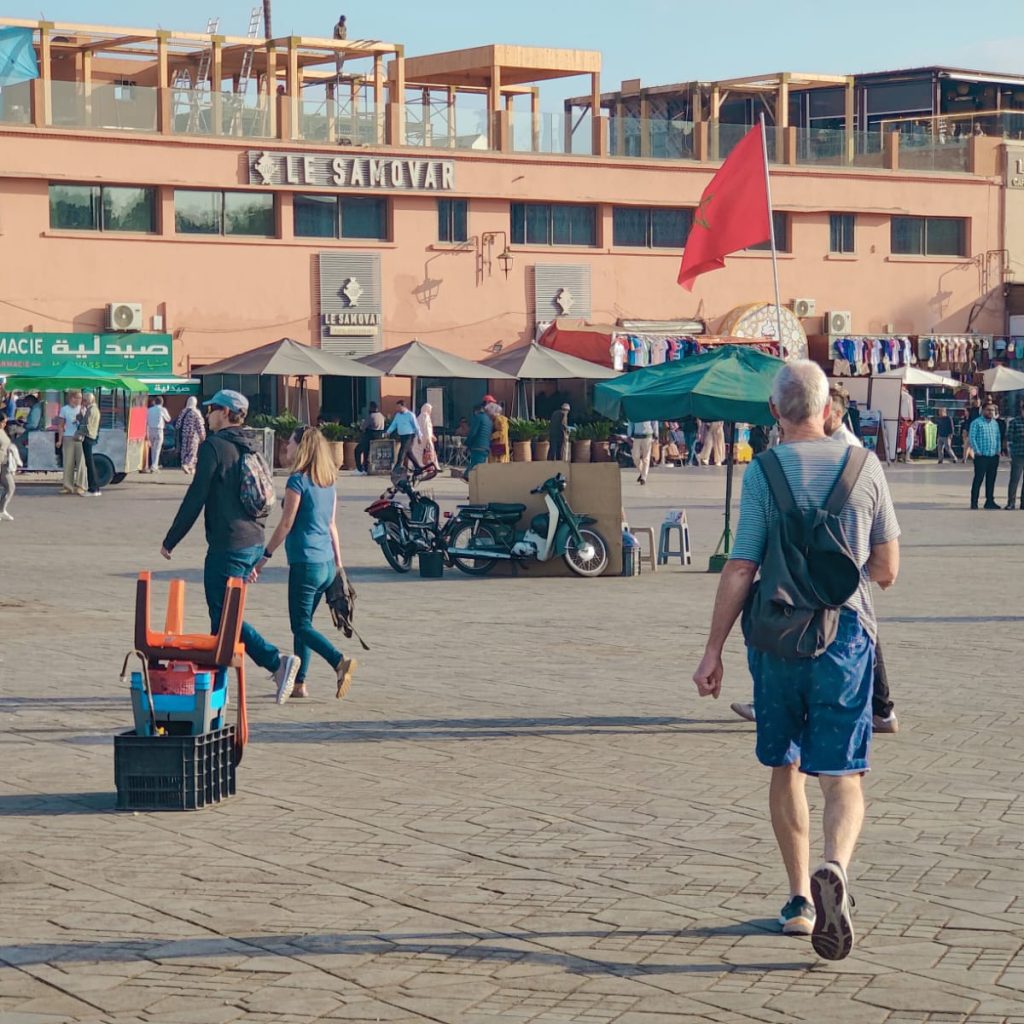
Morocco has many cities that attract travelers from all over the world. Marrakech is known for its lively atmosphere, markets, gardens, and historic buildings. Fes is famous for its ancient medina and long history as a center of learning. Casablanca is the largest city and represents modern Morocco with business, industry, and coastal life.
Rabat, the capital city, is calm and organized, with historical sites and green spaces. Chefchaouen attracts visitors with its blue streets and mountain setting, while Tangier has a long international history and a special position between Africa and Europe.
The Sahara Desert
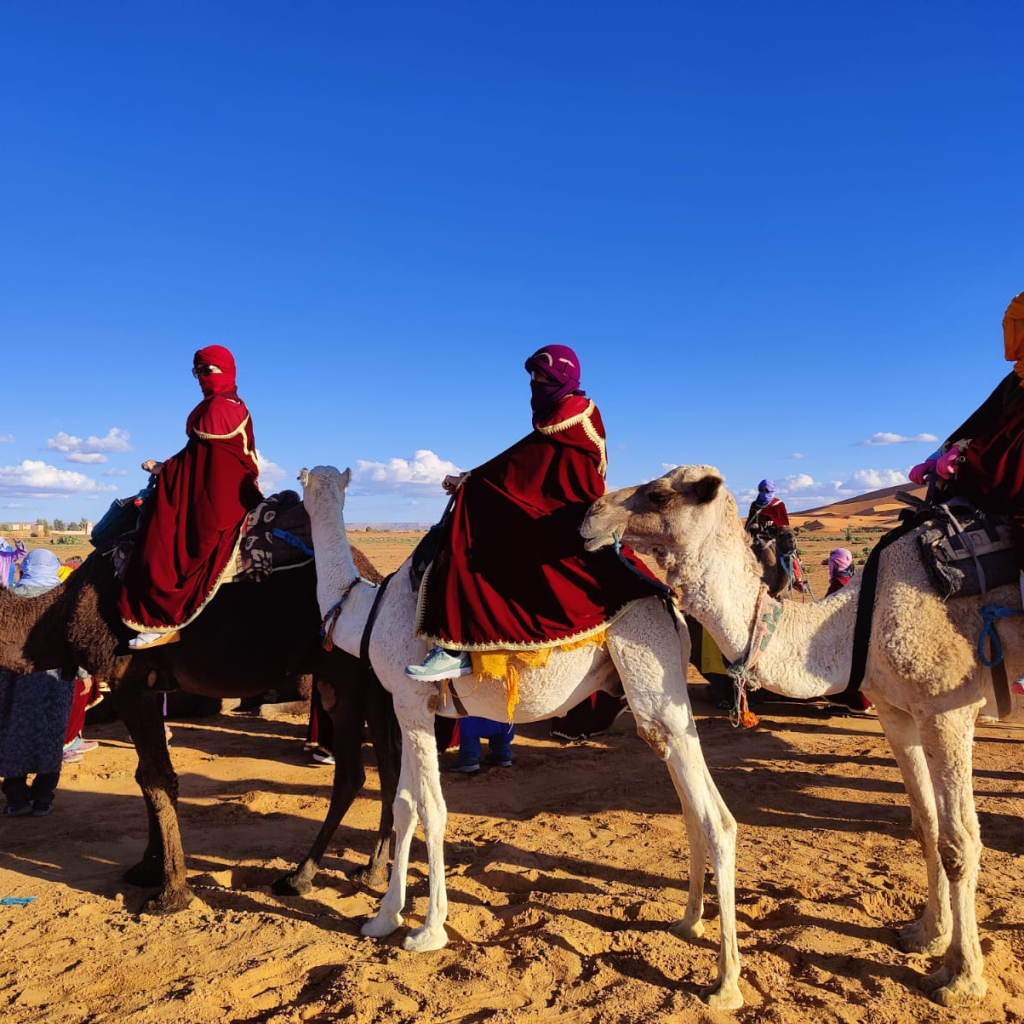
The Sahara Desert is one of the most powerful travel images of Morocco. The endless dunes, quiet nights, and wide skies create a strong feeling of space and freedom. Desert life has shaped strong traditions, music, and ways of living that continue today.
Visitors are often touched by the simplicity of life in the desert and the close connection between people and nature.
Mountains, Coast, and Hospitality
The Atlas Mountains, coastal towns, and countryside villages all show different sides of Morocco. Mountain areas offer nature, calm life, and traditional homes. Coastal towns mix sea life with relaxed rhythms. Across all regions, Moroccan hospitality remains the same. People enjoy welcoming guests, sharing meals, and telling stories.
Why Morocco Is a Popular Travel Destination
Morocco attracts travelers because it offers many experiences in one country. History, culture, nature, and human connection come together in a unique way. Visitors can learn, relax, and explore at the same time.
Morocco is not only a place to see, but also a place to feel, understand, and remember long after the journey ends.
0 Comment