About this guide
Summer in Morocco can be beautiful, but it is not the same kind of summer everywhere. The Atlantic coast may have a refreshing breeze while Marrakech and inland southern towns become very hot. Higher mountain villages can feel cooler than nearby lowlands, and the Sahara demands careful planning because daytime heat may be intense. Travelers who understand those differences can build a holiday that feels enjoyable rather than exhausting.
A successful Morocco summer itinerary is usually about timing and choosing the right places. Explore outdoor sights early, take a break during the hottest hours and return outside when the temperature feels more comfortable. Pick accommodation that suits the climate and give yourself longer stays instead of difficult midday road journeys. This guide explains where to go, which experiences make sense and how to travel comfortably with family, friends or a partner.
How hot does Morocco get in summer?
The most important fact about a Morocco summer holiday is that temperature changes greatly by region. Inland cities such as Marrakech and Fes can have periods of intense heat, especially in the afternoon. Areas closer to the Sahara may be hotter still. Atlantic towns, including Essaouira and parts of the coast near Agadir, generally feel different because of ocean influence, breezes and cooler evenings. Mountain areas vary with altitude, so a village high in the Atlas may provide relief from heat in the plains.
Do not plan your trip using one national forecast. Check the expected temperature and wind for each overnight location, and remember that heat waves can occur. Some visitors enjoy a warm climate, while others find daytime walking uncomfortable. If you travel with babies, older relatives or anyone sensitive to heat, choose destinations and activities conservatively. Hotel air-conditioning, shaded places and access to drinking water can matter more than an extra attraction on your itinerary.
- Check the weather for each city rather than Morocco as a whole.
- Keep high-effort outdoor activities for cooler times of day.
Essaouira: A coastal escape from inland heat
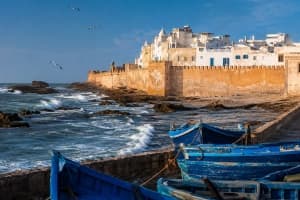
Essaouira is a favorite summer option for travelers who prefer sea air and slower days. Its medina is smaller and often feels easier to explore than the busiest inland old cities. Visitors can walk along the sea walls, watch the fishing harbor and enjoy a seafood lunch before spending time near the beach. Wind is part of Essaouira’s character, so the beach may be better for walking or water sports than for a calm sunbathing day.
The pace is one of the town’s main advantages. You can explore the streets early, stop for coffee and return for an evening stroll without trying to fill every hour. Even on the coast, sunscreen and a light layer are useful because wind can make the sun feel less strong than it is. If you travel from Marrakech, consider spending at least one night rather than treating the coast as a rushed return drive.
- Pack a light windbreaker for breezy evenings.
- Enjoy the harbor and medina alongside beach time.
Agadir, Taghazout and Atlantic beach holidays
The Atlantic coastline offers several different travel styles. Agadir has a broad beachfront, modern hotels and plenty of services, making it convenient for travelers who want a traditional beach holiday with restaurants nearby. Taghazout and surrounding villages are known for their surf atmosphere and smaller coastal feel. They can be good places to slow down after a busy inland itinerary, although ocean conditions depend on the season and location.
Choose accommodation based on what you actually enjoy. A hotel close to the beach makes short morning walks easy, while a quieter guesthouse may suit people who prefer village life. Some beaches have strong currents or waves, so pay attention to local safety advice and swimming flags. If surfing is new to you, book an instructor rather than guessing whether the sea conditions are suitable. A coastal summer break works best when you treat the ocean with respect and do not assume every stretch of beach is the same.
- Follow beach safety signs and swimming advice.
- Choose a coast hotel with the facilities your group needs.
Explore the destination
essaouira, Morocco
Marrakech in summer: How to plan your day
Marrakech can still be rewarding in summer, but sightseeing is best organized around the daily heat. Begin early with a garden, palace or medina walk, then plan lunch and an indoor rest during the hottest hours. Many visitors enjoy returning outdoors later for rooftop views, shopping and the evening atmosphere. A riad with a shaded courtyard or a hotel with a pool can make the middle of the day much easier, particularly for families.
Choose air-conditioned accommodation and confirm that your room has a working cooling system rather than assuming every traditional building will be comfortable. Keep a reusable water bottle, sunscreen and a hat available. If you have only a couple of days, focus on the experiences you most want rather than making a long checklist. The city rewards a relaxed rhythm: an interesting street, a good meal and time to rest can be far more pleasant than rushing from monument to monument in strong heat.
- Book accommodation with suitable cooling.
- Plan early starts, a midday break and relaxed evenings.
Atlas Mountains: Cooler landscapes and village stays
The Atlas Mountains can be an appealing summer contrast to Morocco’s warmer plains. Depending on altitude, villages and valleys may offer cooler mornings and evenings, along with mountain views, walking trails and local guesthouses. Areas around Imlil and other mountain gateways are often chosen by visitors who enjoy nature, but the difficulty of trails varies, and mountain sunshine can still be strong.
If you plan to hike, choose a route appropriate to your group and start early. Carry more water than you expect to need, use proper shoes and ask a local guide about weather and trail conditions. Thunderstorms and changing mountain weather are possible even in warm months. You do not need to climb a high summit to enjoy the mountains; a gentle village walk, a shaded lunch and time overlooking terraced fields may be the perfect summer activity.
- Choose walks according to fitness and local conditions.
- Carry sun protection even at higher altitude.
Is the Sahara Desert a good idea in July or August?
Summer Sahara travel needs more caution than a spring or autumn visit. The Erg Chebbi area near Merzouga can experience very high daytime temperatures, and activities such as long camel rides or dune walks may become uncomfortable or unsuitable. If your heart is set on the desert, discuss the seasonal conditions with your operator and consider whether another time of year would give you a better experience. The beauty of the dunes is not worth risking heat illness.
If you are visiting the region anyway, prioritize reliable air-conditioned transport, appropriate accommodation and plenty of water. Outdoor activity should be limited to suitable cooler periods, depending on actual conditions. Never assume that a desert camp will feel cool simply because it is outside the town. Ask how the tents are ventilated, whether cooling is available and how the schedule changes during extreme heat. For many travelers, the coast or mountains are a more comfortable focus for a midsummer holiday.
- Consider spring or autumn for long desert excursions.
- Ask operators how itineraries change during extreme heat.
Summer clothing, water and sun protection
Lightweight and breathable clothing is usually best for warm Moroccan days. Loose long sleeves can protect skin from sun while feeling comfortable, and a hat with good shade helps during outdoor walks. Choose sandals for relaxed city time if they are comfortable, but bring closed walking shoes for uneven medinas, mountain paths and rural stops. In coastal towns, a light jacket can be useful when the breeze becomes strong late in the day.
Drink water regularly and plan breaks before you feel exhausted. Use sunscreen and reapply it, particularly around beaches and open terraces. A small bag with water, sunglasses, sun protection, tissues and essential medication is practical for city visits. Children may not notice early signs of overheating, so adults should actively plan cooler activities and rest. A relaxed itinerary is one of the simplest and most effective ways to enjoy Morocco in summer.
- Carry drinking water and make rest stops part of the plan.
- Use hats, sunscreen and breathable layers for sun protection.
Sample summer itineraries that work well
For five to seven days, a combination of Marrakech and Essaouira gives a taste of city culture followed by coastal rest. Spend time in the medina early in the morning, then move toward the coast for breezier days. Another simple choice is Agadir and nearby Atlantic towns, with short excursions according to the weather. If you prefer mountains, combine a few nights in Marrakech with a comfortable village stay in the Atlas foothills.
With ten to fourteen days, you can design a wider route with coastal stops, selected historic cities and mountain scenery, while avoiding too many long transfers in the hottest hours. There is no prize for visiting the greatest number of places. A successful summer holiday often has a slower rhythm: good breakfasts, short visits, long lunches in the shade and relaxed evenings. Pick fewer locations and give each one time to become familiar.
- Aim for two or three bases instead of moving daily.
- Build free afternoons into your itinerary.
Keep planning your Morocco trip
Explore more local travel guides or ask Moorish Tour about a private route designed around your interests, dates and preferred pace.
Frequently Asked Questions
Is Morocco too hot to visit in July?
Some inland and desert areas can be very hot, but coastal towns and some mountain destinations may be more comfortable. Choose your route carefully.
Where is the coolest place to visit in Morocco in summer?
Weather varies, but Atlantic coastal towns and higher mountain areas often offer a different, more moderate experience than inland plains.
Can I visit Marrakech in August?
Yes, but organize outdoor sightseeing early, rest at midday and choose accommodation with reliable cooling.
Should I book a Sahara tour in summer?
Discuss heat and suitability with a local operator. Spring and autumn are usually more comfortable for extended Sahara activities.
What should I pack for Morocco in summer?
Breathable clothing, sun protection, comfortable shoes, a water bottle and a light coastal jacket are practical basics.
You may also enjoy
 Travel guide
Morocco in Winter: Weather, Packing & Best Places to Visit
Planning Morocco in December, January or February? Learn about winter weather in Marrakech, Fes, the Atlas Mountains and Sahara, plus what to wear and where to go.
 Travel guide
Morocco with Kids: A Complete Family Travel Guide
Planning Morocco with kids? Discover family-friendly cities, Sahara stays, food, travel times, packing advice, and relaxed routes for an unforgettable family holiday.