Morocco in Winter: Weather, Packing & Best Places to Visit
Planning Morocco in December, January or February? Learn about winter weather in Marrakech, Fes, the Atlas Mountains and Sahara, plus what to wear and where to go.
About this guide
Winter in Morocco often surprises first-time visitors. The country is well known for sun and desert landscapes, so it is easy to imagine warm days everywhere. In reality, winter changes dramatically between the Atlantic coast, the inland cities, the Atlas Mountains and the Sahara. You might enjoy a bright afternoon in Marrakech, feel a cold wind after sunset in Merzouga and see snow on a mountain road during the same holiday.
That variety is one reason winter can be a lovely season to visit. City walks may feel more comfortable than during the hottest months, mountain scenery becomes dramatic and a warm meal beside a fireplace feels like part of the travel experience. This guide explains where winter works well, how to pack smartly and how to plan a route that leaves room for weather changes.
What is Morocco really like in winter?
Morocco does not have one winter climate. The coast is influenced by the ocean, which often keeps temperatures milder, although wind and rain can arrive. Inland cities such as Fes and Marrakech have sunny periods but also noticeably colder mornings and evenings. The High Atlas Mountains are colder again, and higher roads may be affected by snow or icy conditions. Visitors heading to the desert should remember that sunshine does not mean a warm night.
December through February are generally the winter months, but conditions can vary considerably from one year to another. Instead of planning around a single average temperature, check the forecast for every major stop a few days before traveling. A route that moves from Casablanca to Fes, the Atlas and Merzouga crosses different climates; clothes that suit the first stop may not suit the last. Flexibility is more valuable than trying to predict every hour of the trip months in advance.
- Pack for several climates rather than one national temperature.
- Check mountain-road conditions before long drives.
Marrakech in December, January and February
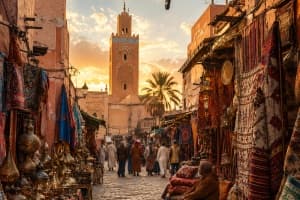
Marrakech is a popular winter base because sightseeing can be enjoyable in cooler air. Walking through gardens, visiting palaces and exploring the souks may be easier than in the peak heat of summer. A sunny lunchtime terrace can feel pleasant, yet temperatures fall after the sun goes down. If you plan to spend evenings eating outdoors or watching the square, keep a warm layer close rather than leaving it in the hotel room.
Winter is also a good time to slow down in the city. Choose a riad with heating if you value a warm bedroom, since a beautifully tiled traditional building can feel chilly after dark. Spend part of the day in museums or cafes when rain arrives. Day trips to the Atlas foothills can be scenic, but conditions in higher villages may be colder than those in Marrakech. Ask your guide about the road and suitable footwear before heading out.
- Confirm bedroom heating in your riad.
- Carry a jacket for evenings even when the afternoon is sunny.
Fes, Chefchaouen and northern Morocco
Northern Morocco has its own winter atmosphere. Fes can feel cold in the morning, and its old medina is most comfortable with warm layers and shoes that grip on damp stones. The city’s workshops, historic buildings and neighborhood cafes provide plenty to see without spending every minute outside. When the weather is wet, take extra care on steps and narrow cobbled lanes, particularly if you are traveling with older relatives or children.
Chefchaouen is photogenic in many seasons, but winter visitors should expect cooler, sometimes rainy days in the Rif Mountains. Blue walls can look beautiful in soft light, and quieter streets may be a pleasure for photographers. Plan a little flexibility for outdoor walks and hikes, and choose a guesthouse with suitable heating. On the Atlantic coast, Rabat and Casablanca often feel different again, with sea breezes and changing weather rather than the dry inland climate.
- Wear shoes with grip in medinas after rain.
- Treat mountain walks as weather-dependent activities.
Explore the destination
marrakech, Morocco
The Sahara Desert in winter: sunny days and cold nights
Winter can be a memorable time to visit Erg Chebbi near Merzouga. The sun may be bright, the sand colors can be beautiful and a long walk across the dunes may feel easier than during the hottest part of the year. However, desert weather changes quickly after sunset. Camp tents and outdoor sitting areas can become very cold at night, and a light summer sweater is not always enough.
Before booking a desert camp, confirm whether there is heating, what bedding is provided, whether hot water is available and how guests reach the camp. Bring a warm jacket, socks, closed shoes and a hat for cold evenings. If you prefer to watch the stars outside, extra layers matter even more. A winter Sahara visit should be planned around comfort, not the assumption that desert destinations are warm all year.
- Check camp heating and blankets before confirming.
- Dress in layers for sunset and sunrise in the dunes.
Atlas Mountain travel and snow considerations
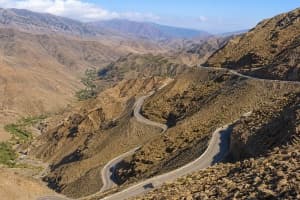
The Atlas Mountains offer some of Morocco’s most dramatic winter scenery. Snow on high peaks can make a route beautiful, but snowfall can also delay journeys on mountain roads. Visitors crossing from Marrakech toward Ouarzazate should be aware that the road over the High Atlas is very different from a city highway. A journey that usually feels straightforward can require more time, a route change or postponement after severe weather.
If a mountain stop is central to your trip, plan it with a knowledgeable local driver and avoid rigid same-day connections. Walking routes in mountain villages may be wet or slippery; proper shoes and a weatherproof layer are useful. For families, a scenic viewpoint or short village walk may be more enjoyable than a demanding hike in cold conditions. Mountain weather deserves respect even when the road begins under a clear sky in Marrakech.
- Do not treat estimated mountain driving times as guaranteed.
- Allow buffer time for weather-sensitive routes.
What to pack for Morocco in winter
A useful winter suitcase contains items you can combine. Pack comfortable trousers, long-sleeve shirts, a warm fleece or sweater and a jacket that blocks wind. A light waterproof layer is helpful in cities and on the coast. Closed walking shoes work for medinas and roadside stops, while warmer socks make desert evenings more comfortable. Sunglasses and sunscreen still matter because winter sunshine can be strong, especially in open landscapes.
Do not forget your indoor comfort. Some traditional accommodation has cooler stone floors and less insulation than modern hotels, so warm sleepwear or slippers can make a difference. If you are spending a night in the desert, ask about bedding first rather than packing bulky sleeping equipment you may not need. A small day bag with a scarf, water and an extra layer makes it easy to adjust your clothing as the temperature changes during the day.
- Carry a packable waterproof layer and closed shoes.
- Keep a warm sweater accessible during long transfers.
The best winter routes for first-time travelers
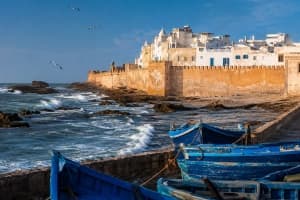
A short winter holiday can work well around Marrakech, with time for the medina, gardens and nearby countryside. If you prefer culture and history, consider a route connecting Rabat, Meknes and Fes, with enough flexibility for rainy afternoons. Coastal towns such as Essaouira can be pleasant for walking and food, although swimming and beach sunbathing will not suit everyone at this time of year.
Travelers with more time can add the Sahara, but the route deserves several days. Going from Marrakech through Ait Ben Haddou, Dades Valley and Merzouga is a journey through landscapes and villages, not simply a transfer to a dune. In winter, driving fewer hours after dark and allowing extra road time makes the trip safer and more enjoyable. If mountain conditions change, your itinerary may need to change as well.
- Choose fewer destinations for shorter winter trips.
- Keep desert trips flexible when snow affects mountain roads.
Winter festivals, daylight and planning ahead
Days are shorter in winter, so sunrise and sunset activities need more careful planning than in summer. A late departure can leave less time for a viewpoint, a village walk or a photograph along the road. If you are visiting during school holidays or around New Year, popular riads and desert camps may have limited space, so book important overnight stays early rather than assuming winter is always quiet.
Morocco’s everyday culture remains interesting whatever the weather. Warm bread in the morning, steaming tea, local markets and conversations with craftspeople are all part of a winter journey. Give yourself permission to enjoy indoor time too. A rainy afternoon may be the perfect chance to explore a museum, learn about Moroccan cooking or spend an unhurried evening in a comfortable guesthouse instead of chasing another landmark.
- Plan around the shorter daylight hours.
- Check booking conditions for holiday periods.
Keep planning your Morocco trip
Explore more local travel guides or ask Moorish Tour about a private route designed around your interests, dates and preferred pace.
Frequently Asked Questions
Is Morocco warm in December?
Some afternoons can be mild, especially in certain cities and coastal areas, but mornings and nights can be cold. Check the climate of each stop.
Can I visit the Sahara Desert in January?
Yes, with warm clothing and a camp that has suitable winter facilities. Desert nights can be very cold.
Does it snow in Morocco?
Snow is possible in the Atlas Mountains and higher areas. Mountain-road conditions may affect travel plans.
What shoes should I pack for a winter Morocco trip?
Bring comfortable closed walking shoes with grip. Waterproof footwear can be useful if you expect mountain or rainy city walks.
Is winter a good time for Marrakech?
Yes for many travelers who enjoy cooler sightseeing weather, but warm layers and accommodation heating remain important.
You may also enjoy
 Travel guide
Morocco in Summer: Where to Go & How to Stay Cool
Visiting Morocco in June, July or August? Compare coastal towns, mountains and hot inland cities with practical summer planning, packing and itinerary tips.
 Travel guide
Getting Around Morocco: Trains, Buses, Taxis & Drivers
Find the best way to travel around Morocco. Compare trains, buses, taxis, rental cars and private drivers, with practical advice for cities and Sahara routes.