Morocco with Kids: A Complete Family Travel Guide
Planning Morocco with kids? Discover family-friendly cities, Sahara stays, food, travel times, packing advice, and relaxed routes for an unforgettable family holiday.
About this guide
Morocco can be a wonderful place for a family holiday because a single trip can include old cities, mountain villages, beaches, palm valleys and the Sahara Desert. Children often remember the small moments more than the famous sights: watching fresh bread come out of an oven, choosing oranges at a market, seeing a camel for the first time or listening to music in a village square. Families can have those moments without trying to visit the whole country in one week.
The most useful advice for visiting Morocco with children is to keep the trip comfortable and flexible. Roads between destinations can take longer than they look on a map, a busy medina may be overwhelming after a long flight, and a desert sunset may be lovely even if the family decides not to ride camels. This guide explains which places work well, how to plan the pace, what to bring and what to ask before booking a family desert tour.
Is Morocco a good destination for families?
Many Moroccan families spend time together in streets, parks, cafes and public squares, and children are usually a familiar part of everyday life. Visitors may find that conversations begin with someone asking about their children or recommending a snack. The warmth of the welcome can make a family holiday feel relaxed, especially in smaller towns and when staying in a traditional guesthouse. Still, every family is different. A toddler who needs an afternoon nap will have a different experience from teenagers who enjoy hiking and photography.
Think of Morocco as several very different holidays in one country. Marrakech offers gardens, markets and short activities; Essaouira offers sea air and walks beside the beach; the Middle Atlas offers forests and cooler scenery; and Merzouga offers open desert landscapes. You do not have to combine all of them. Choosing two or three areas where children have time to settle in usually gives a better experience than changing hotels every evening.
- Choose fewer overnight stops and add time for breaks.
- Ask accommodation providers about stairs, pools, baby cots and heating.
The best Moroccan cities to explore with children
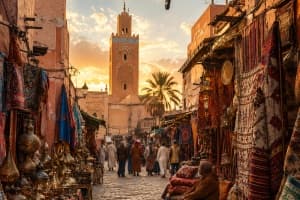
Marrakech is exciting for families who enjoy colorful places. In the old city, markets are full of lanterns, woven baskets, fruit and handmade objects. Children may like the gardens and open spaces just as much as the souks. Plan the medina for the cooler part of the day and leave space for a quiet lunch. A local guide who understands your family’s pace can help you navigate the narrow streets without turning the visit into an exhausting checklist.
Essaouira is a good contrast to Marrakech. Its smaller medina is easier to explore slowly, and the Atlantic coast invites time for beach walks and seafood lunches. Fes is rich in history and crafts, although its lanes can feel busy and uneven, so comfortable shoes and a shorter guided visit work well. Rabat is another calm option with wide promenades, historic sites and places to take a break away from traffic.
- Balance one busy city with a quieter coastal or countryside stay.
- Keep sightseeing flexible for younger children.
Taking children to Merzouga and the Sahara Desert
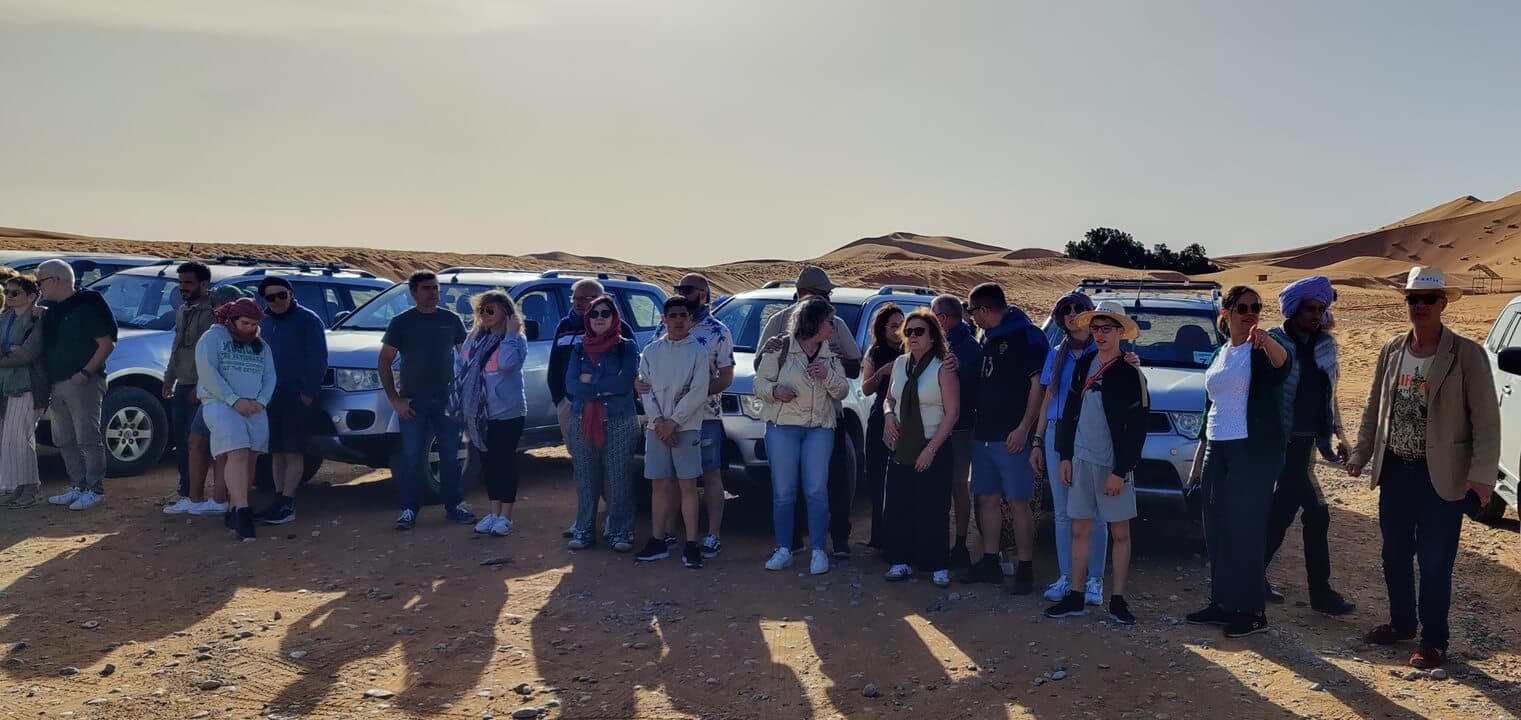
For many families, the desert is the part of Morocco they talk about long after returning home. The Erg Chebbi dunes near Merzouga rise above villages and stretches of rocky desert. Watching the sand change color late in the afternoon can be enough of an adventure for young children. A short camel ride is possible with some operators, but it should never be assumed suitable for every age or ability. Families can often request a vehicle transfer to camp instead.
Ask very specific questions about desert camp facilities before booking. Check whether the tent has a private bathroom, what the sleeping arrangements look like, whether there is heating during cold months and how far the camp is from the nearest road. Desert nights can be surprisingly cold outside summer. Bring water, a light jacket, closed shoes and a small flashlight. A two-night stay in the Merzouga area can feel far less rushed than arriving late and leaving before sunrise.
- Ask about safe transport options and camp accessibility.
- Take sun protection during the day and warm layers for evening.
Explore the destination
marrakech, Morocco
Plan a family itinerary without exhausting driving days
A family itinerary should be planned around real road time, not simply around the distance between cities. Routes through the Atlas Mountains have bends, viewpoints and villages where it is tempting to stop. That is part of the experience, but a road journey that feels pleasant for adults may be hard for a young child. Keep snacks, drinking water, a small activity bag and a spare set of clothes within reach instead of at the bottom of a suitcase.
If you have about a week, consider Marrakech and Essaouira with a day in the Atlas foothills. With ten days or more, a journey through Ait Ben Haddou, Dades Valley and Merzouga becomes easier to enjoy at a gentler pace. For a shorter visit, choose one base and make day trips. A private driver offers the freedom to stop whenever needed, while a train can be convenient on routes connecting major cities that have railway stations.
- Avoid changing accommodation every night.
- Build in flexible time rather than scheduling every hour.
What should children eat in Morocco?
Moroccan meals include plenty of familiar ingredients. Fresh bread, grilled chicken, rice, potatoes, eggs, lentils, seasonal fruit and simple brochettes are easy starting points for children who prefer recognizable food. Tagines may contain chicken, vegetables, beef or prunes and almonds; ask which ingredients are used before ordering. A shared meal also helps families try new dishes without committing everyone to a large portion of something unfamiliar.
Food allergies and dietary restrictions need a little extra preparation. Some dishes can contain nuts, sesame, wheat or dairy, and ingredients may not always be written on a menu. If a child has a serious allergy, carry translated information in Arabic and French and discuss it with restaurants before eating. Bottled or properly treated drinking water is a simple practical choice for many short-term visitors, especially when traveling with young children who are not used to local water.
- Pack familiar snacks for long road journeys.
- Communicate allergies clearly rather than assuming menus list every ingredient.
Family packing list for city, mountains and desert
Packing for Morocco is easier when you think in layers. One day may begin in a sunny city and end in a much cooler mountain village. Comfortable shoes are essential for old medina streets, where surfaces may be uneven and steps appear without warning. Children should have a light hat, sunglasses, sunscreen and clothes that allow them to move comfortably. A light scarf can be useful for wind and dust during desert visits.
A small day bag can hold tissues, hand sanitizer, water bottles, snacks, basic first aid and spare clothes for smaller children. If you travel with a baby, ask about car seats and child restraints in advance; availability and standards vary between transport providers. Strollers are practical in some modern areas but not everywhere in the old medinas. A baby carrier may be easier on steps and narrow lanes, provided it is comfortable and suitable for your child.
- Confirm car-seat arrangements before paying for transport.
- Bring layers even if the daytime forecast looks warm.
Choosing family-friendly accommodation
Traditional riads can make a trip special, with inner courtyards, tiled walls and rooftop views. Yet the same features that make them beautiful can also create challenges for toddlers: steep stairs, open water features or a room far from the entrance. Ask for current room photos, information about stairs and whether breakfast can be served early. A family room in a modern hotel may be a more practical choice for some nights.
Desert camps and small guesthouses should be chosen with equal care. Read the details about bathrooms, hot water, meals and heating rather than judging a camp by its photographs alone. In summer, air-conditioning can make a big difference in inland towns. In winter, heating and warm bedding matter, especially in mountain areas. Location is important too: a hotel near a taxi drop-off point saves energy after a tiring day with luggage.
- Ask about the room layout, not only the hotel rating.
- Choose accommodation close to access points when carrying heavy bags.
Respectful cultural experiences families can enjoy
Travel offers children the chance to understand how other people live. A pottery or bread-making workshop, a guided walk through a village, or a quiet visit to a local market can be more meaningful than rushing through a long list of monuments. Encourage children to ask questions politely and observe before taking photographs. It is considerate to request permission before photographing people, especially children and artisans at work.
A few simple words can make interactions warmer. Salam is a common greeting and shukran means thank you. Dress comfortably while remaining respectful in traditional settings. Explain that houses, places of worship and workplaces are not all open tourist attractions. Families who treat a visit as an exchange rather than a show often come away with more memorable conversations and a deeper understanding of Morocco.
- Ask permission before taking close-up photographs of people.
- Leave time for unplanned conversations and simple activities.
How to choose a family desert tour
Before reserving, ask what the daily drive includes, which meals are provided, how many people share a vehicle and whether the itinerary can change if a child becomes tired. A reliable operator should explain the difference between a private and shared tour in plain language. You should also know whether camel riding is optional, what alternatives are available and whether the desert camp has the facilities your family needs.
Do not choose only by the lowest advertised price. Check the type of transport, overnight accommodation, child seating arrangements and how changes or cancellations are handled. For families, the most valuable feature is often flexibility. A few extra minutes to rest, enjoy lunch or watch a village scene can make a bigger difference than one more attraction added to a crowded itinerary.
- Ask for the complete day-by-day route and realistic drive times.
- Confirm optional activities and their prices before departure.
Keep planning your Morocco trip
Explore more local travel guides or ask Moorish Tour about a private route designed around your interests, dates and preferred pace.
Frequently Asked Questions
Is Morocco safe to visit with young children?
Many families visit Morocco successfully. Use normal travel precautions, supervise children around roads and water, plan for the climate, and check current travel advice for your nationality before departure.
What is the best age for a Sahara Desert trip?
There is no single best age. Consider the child’s tolerance for driving and heat, the camp facilities, and whether the operator can offer a suitable vehicle transfer instead of camel riding.
Can children eat Moroccan food?
Yes. Grilled meat, bread, eggs, vegetables, fruit and mild tagines can be good choices. Always explain food allergies and ask about ingredients.
How many days should a Morocco family holiday last?
A week works for a limited region. Ten to fourteen days gives a family more room to combine cities with mountain or desert destinations without rushing.
Do we need a private driver in Morocco?
No, but private transport can make family travel easier when carrying luggage, car seats and snacks or when you want flexible stops.
You may also enjoy
Travel guideWhat to Eat in Morocco: Traditional Food & Dining Guide
Explore traditional Moroccan food, from tagine and couscous to street snacks, mint tea and sweet pastries, with practical tips for ordering and eating in Morocco.
 Travel guide
Morocco in Winter: Weather, Packing & Best Places to Visit
Planning Morocco in December, January or February? Learn about winter weather in Marrakech, Fes, the Atlas Mountains and Sahara, plus what to wear and where to go.